Brampton Optometrist: Comprehensive Eye Care & Patient Guidance
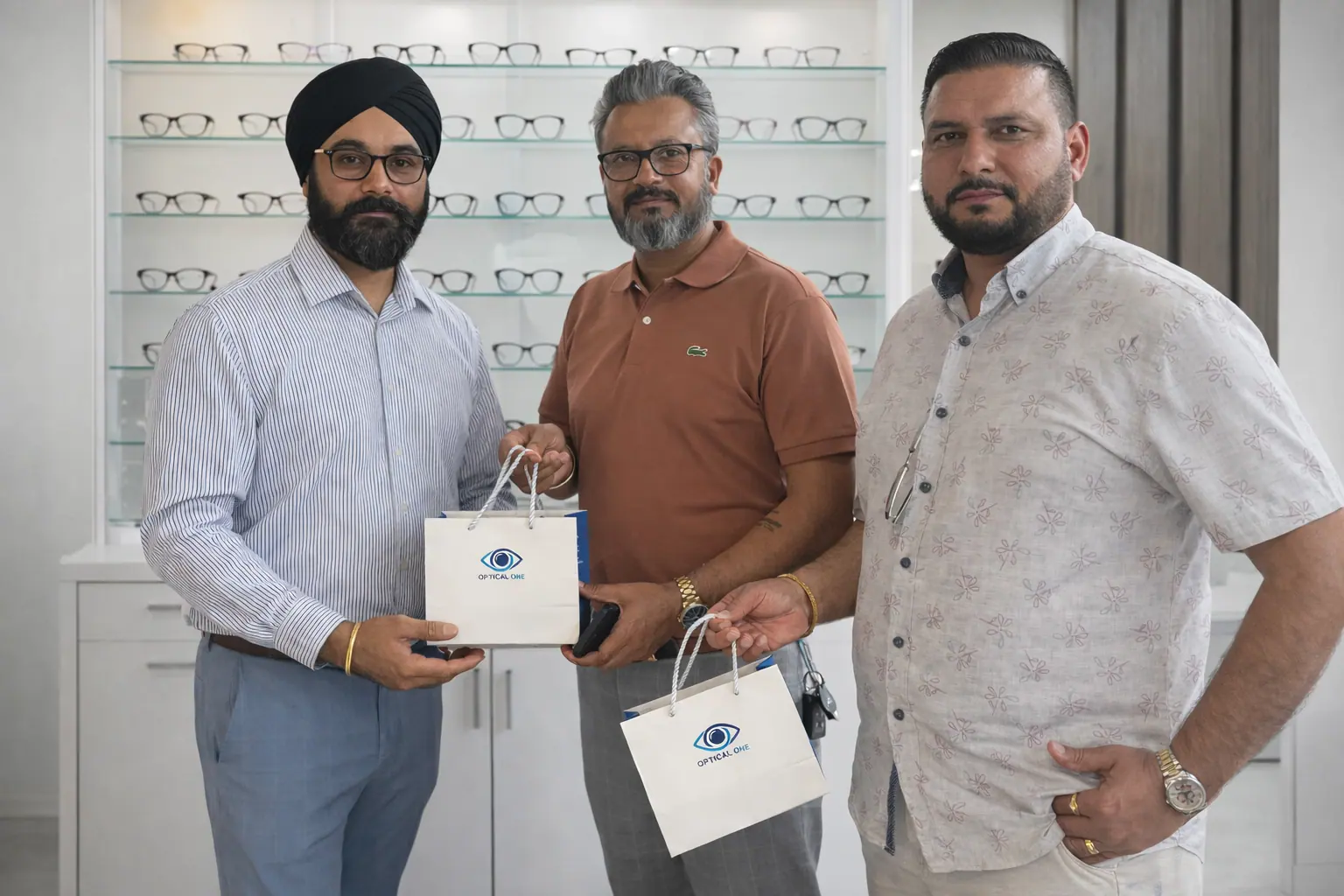
Brampton optometrists provide comprehensive eye care, combining vision assessment, health screening, and correction for clear sight and early disease detection. This guide covers local optometry services, costs, OHIP coverage, and specialist pathways for all ages and conditions. It offers practical advice on booking, exam preparation, and interpreting reviews. Learn about modern diagnostics, pediatric myopia control, managing dry eye and glaucoma, and digital eye strain. Sections include costs, services, pediatric care, common conditions, reviews, booking, and emerging trends, all focused on informed choices for Brampton eye care.
Brampton Eye Exam Costs & OHIP Coverage
Brampton eye exam prices depend on scope, diagnostic tests, and medical necessity. OHIP covers specific groups and medically required assessments; routine refraction is often private-pay. Advanced imaging (like OCT) adds cost. Understand OHIP eligibility to estimate expenses and use benefits. This section covers cost factors and OHIP nuances.
Factors Influencing Eye Exam Costs
Standard exams include history, refraction, and basic health checks. Extended exams add diagnostic imaging (OCT, retinal imaging) for earlier detection of conditions like glaucoma or diabetic changes, increasing fees. Emergency visits also influence costs. Ask clinics about essential vs. optional tests and if fees include imaging.
OHIP Coverage for Eye Exams
OHIP covers children (under 20), seniors (65+), and those with specific medical conditions. Most adults pay privately for routine vision checks. Medically necessary exams (e.g., diabetic screening) are often covered, but routine refraction may not be. Confirm coverage with your clinic before booking to avoid surprises.
| Patient Group | OHIP Eligibility (Typical) | Typical Private Pay Range / Notes |
|---|---|---|
| Children (under 20) | One full eye examination annually | Routine private exams may still occur for glasses prescriptions |
| Seniors (65 and above) | One full eye examination annually | Additional diagnostic testing may be extra |
| Adults (20 to 64) | Not covered for routine refraction | Private-pay exam fees vary by clinic and included tests |
| Medically necessary cases | Covered when exam relates to specific medical conditions | Imaging often billed separately if not required for medical diagnosis |
The table clarifies OHIP eligibility and private-pay expectations.
Brampton Optometrist Services
Brampton optometrists provide comprehensive eye care: routine exams, pediatric care, myopia management, dry eye treatments, and emergency services, often with advanced imaging. Services correct vision (glasses/contacts) and detect/manage ocular disease. Practices coordinate with ophthalmologists. Understanding services helps patients choose clinics.
Comprehensive Eye Exam in Brampton
Exams begin with history, visual acuity, refraction for prescriptions, and ocular health checks (slit-lamp, pressure). Many clinics include retinal imaging or OCT. Exams take 30-60 minutes. The optometrist outlines a care plan: prescription, monitoring, or referral.
- Patient History & Symptom Review
- Refraction & Visual Acuity Testing
- Ocular Health Assessment
- Imaging & Special Tests
These steps ensure vision correction and preventive screening.
Glasses and Contact Lens Fitting
Glasses prescriptions result from refraction and lens option discussions. Contact lens fittings involve corneal measurements, trial lenses, and follow-up to confirm fit and comfort. Opticians fabricate lenses; optometrists monitor adaptation. Regular aftercare is vital for contact lens wearers.
Emergency Eye Care Services
Brampton optometrists manage urgent issues: foreign bodies, abrasions, chemical exposures, acute red eye, and sudden vision changes. They provide immediate assessment, treatment, and referrals. Many clinics offer same-day appointments. Know symptoms requiring urgent attention (sudden vision loss, severe pain) for prompt care.
Advanced Technology in Eye Care
Advanced diagnostics like Optical Coherence Tomography (OCT) and digital retinal imaging enable earlier detection of glaucoma, macular degeneration, and diabetic retinopathy. These tools provide objective measurements, improving monitoring and supporting timely referrals. Patients benefit from precise diagnosis and personalized plans.
Pediatric Optometry in Brampton
Pediatric optometrists assess vision development, diagnose binocular/refractive problems, and manage myopia in children. Early detection supports learning and development. Visits include age-appropriate testing, binocular vision assessment, and family education. This section covers routine exams, myopia control, and family-focused services.
Importance of Regular Children's Eye Exams
Regular pediatric eye exams screen for refractive errors, amblyopia, and binocular dysfunctions that impair learning. Early detection improves treatment and academic outcomes. Vision problems often present subtly (reading avoidance, head tilting). Routine checks at developmental milestones catch issues early. Exam frequency varies by age and risk factors. Early identification allows timely referral for therapy.
- Difficulty tracking text or double vision
- Frequent headaches or eye rubbing
- Unequal vision between eyes (amblyopia risk)
Recognizing these signs prompts early assessment.
Myopia Management Options for Kids
Effective myopia control strategies include orthokeratology (overnight corneal reshaping), low-dose atropine eye drops, and specialty multifocal contact lenses. These reduce axial elongation. Orthokeratology offers non-surgical nightly lens therapy. Low-dose atropine reduces progression. Multifocal soft lenses slow growth. Treatment choice depends on age, lifestyle, and family preference, requiring regular monitoring. Early, consistent follow-up slows myopia progression and reduces long-term risks.
Common Eye Conditions Treated by Brampton Optometrists
Brampton optometrists diagnose and manage conditions like dry eye, glaucoma, cataracts, diabetic retinopathy, and macular degeneration. They use exams, imaging, and co-manage with ophthalmology for surgical or advanced cases. Early detection improves outcomes. This section summarizes diagnosis and management, with a quick-reference table.
Dry Eye Syndrome: Diagnosis & Treatment
Dry eye diagnosis uses symptom history, tear breakup time, staining, and meibomian gland assessment. First-line management includes lubricating drops, environmental changes, and eyelid hygiene. Clinics offer in-office treatments (thermal pulsation) or prescription medications for severe cases. Referral to cornea specialists is for complex cases.
Glaucoma: Signs & Management
Glaucoma often has subtle early signs. Screening includes intraocular pressure, optic nerve assessment, and OCT. Risk factors guide screening frequency. Treatment starts with topical medications and monitoring; surgical options are managed by ophthalmology. Optometrists are vital for early detection, monitoring, and co-managing stable patients. Timely referral is crucial if vision is threatened.
Cataracts & Diabetic Retinopathy: Monitoring & Management
Cataract progression is monitored with visual function and slit-lamp exams; referral for surgery occurs when vision impairs daily activities. Diabetic retinopathy requires systematic retinal screening (digital imaging, OCT), with more frequent surveillance for uncontrolled diabetes. For advanced disease, optometrists refer to retinal specialists for injections or laser. Regular diabetes care and eye exams reduce sight-threatening complications.
| Condition | Common Signs | Typical Management / Referral Pathway |
|---|---|---|
| Dry Eye Syndrome | Burning, grittiness, fluctuating vision | Home care, in-office treatments, cornea referral if severe |
| Glaucoma | Peripheral vision loss, optic nerve changes | Pressure-lowering drops, OCT monitoring, ophthalmology for surgery |
| Cataract | Blurred vision, glare, reduced night vision | Monitor, refer for surgical evaluation when function impaired |
| Diabetic Retinopathy | Floaters, vision changes, microaneurysms on imaging | Regular retinal screening, retinal specialist referral for injections/laser |
This table summarizes signs and management pathways.
Latest Treatments for Macular Degeneration
Wet macular degeneration treatment focuses on intravitreal anti-VEGF injections by retinal specialists, stabilizing vision. Dry macular degeneration management emphasizes lifestyle, nutrition, and frequent OCT monitoring for conversion. Early detection via imaging allows prompt referral. Optometrists provide surveillance, education, and timely referral for advanced therapies.
Finding Trusted Brampton Eye Doctor Reviews
Consult multiple review sources (clinic websites, health directories, general platforms), critically assessing service impressions versus clinical competence. Look for consistent themes like thoroughness and communication. Verify credentials through provincial regulatory bodies and professional associations to confirm licensure. This section advises on interpreting ratings, contact lens experiences, and credential verification.
Patient Ratings for Care and Service
Reviews often highlight clinician thoroughness, staff communication, and eyewear selection. Consistent praise for clear explanations is a positive signal. Recurring complaints about rushed exams warrant inquiry. Balance subjective service impressions with objective indicators like advanced diagnostics and transparent pricing. Combine review themes with credential checks for a full picture of competence and experience.
Contact Lens Fitting Experiences
Contact lens fittings require a trial period, adaptation visits, and adjustments. Patients are satisfied with clear guidance on insertion, hygiene, and replacement. Common issues include dryness or discomfort; effective clinics schedule follow-ups. Positive experiences involve structured aftercare and troubleshooting. Expect at least one follow-up after a new fitting.
Verifying Eye Doctor Credentials & Expertise
Verify licensure with the provincial regulatory college and professional association membership. Clinic bios listing training or clinical interests (e.g., pediatric care) offer context. Ask specific questions about a clinician's experience with your condition during booking. These steps complement reviews for informed provider selection.
- Sources: provincial regulatory college, professional association directories, clinic bios
- Look for consistent qualifications and specialty training
- Ask direct questions about experience with your specific condition
These checks separate service impressions from verified clinical competence.
Booking a Brampton Optometrist Appointment
Book via phone, online, or walk-in, depending on the clinic. Confirm payment methods and OHIP/private benefits to avoid surprises. Prepare documentation, symptoms, and medications for an accurate assessment. This section covers contact details, exam preparation, and payment options.
Clinic Hours & Contact Details
Clinic hours vary; confirm current hours by calling or checking official channels. Many offer urgent appointments and coordinate with hospitals for after-hours emergencies. Verify hours to prevent delays and access urgent services. Visit our locations page for more details.
Preparing for Your First Eye Exam
Bring ID, vision insurance, current glasses/contacts, and a medication/medical history list. Note symptoms and vision changes. Dilation may be needed; bring sunglasses and arrange transportation. If wearing contacts, bring brand details; removal may be required. Preparation improves diagnostic accuracy.
- Essential items: ID, vision benefits card, current eyewear, medication list
- Prepare symptom notes and questions
- Plan for dilation
These steps make the first visit efficient.
Insurance & Payment Options
OHIP covers certain medical eye exams; private vision plans often reimburse routine exams and eyewear. Confirm coverage with your insurer and clinic. Clinics accept major payment methods and provide receipts. Discuss charges upfront for financial planning. Learn more about our insurance options.
Trends & Innovations in Brampton Optometry
Brampton optometry evolves with advanced diagnostics (OCT, digital imaging), increased demand for pediatric myopia control, digital eye strain solutions, and telehealth. These trends reflect an aging population and increased screen time. Clinics integrating technology, education, and specialist pathways deliver better outcomes through early detection and personalized care.
Addressing Digital Eye Strain
Digital eye strain is managed via clinic assessments (acuity, binocular vision, dry eye) and behavioral advice: ergonomics, 20-20-20 rule, blue-light guidance, and lubrication. Clinics educate on screen breaks and device settings, treating underlying ocular surface disease. Home strategies combined with clinical interventions improve comfort. Proactive management prevents chronic symptoms.
- Clinic strategies: binocular vision and dry eye testing
- Home strategies: regular breaks, ergonomic adjustments, lubricating drops
- Combine clinical treatment with behavior change
Growing Specialty Services
Myopia management, low vision rehabilitation, vision therapy, and specialty contact lens services (scleral lenses) are in high demand. These require specialized training and equipment, coordinating with ophthalmology/vision therapists. Identify clinics offering these for advanced management. Early referral improves outcomes for complex needs.
Aging Population & Eye Care Needs
An aging population increases demand for chronic eye disease management (cataract, AMD, glaucoma, diabetic retinopathy). This requires robust screening, monitoring, and co-management with ophthalmology. Clinics adapt with imaging, streamlined referrals, and accessibility. Preventive care and early detection preserve independence. Chronic care models meet rising needs.
Conclusion
Choosing a Brampton optometrist provides comprehensive, tailored eye care. Understanding costs, OHIP coverage, and services empowers informed decisions. Prioritize regular check-ups and advanced diagnostics to enhance vision and well-being. Schedule your appointment today for clearer sight and healthier eyes.
Ready to See Better?
Book your comprehensive eye exam with our experienced Brampton optometrists today.
Schedule Your AppointmentFrequently Asked Questions
Find answers to common questions about our Brampton eye care services.
Visit Our Brampton Locations
Two convenient locations in Brampton to serve you better